Construction sites are inherently risky environments, filled with combustible materials, temporary power sources, heavy machinery, and constant human activity. Among the many safety concerns, fire hazards rank as one of the most serious threats, especially on large or remote construction projects. Traditional fire monitoring methods, like manual patrols or basic surveillance cameras, have long served their purpose. However, these methods often fall short in identifying early signs of fire or potential fire hazards. That’s where enhanced video analytics come into play.
Enhanced video analytics are reshaping the way fire safety is managed on construction sites. Leveraging advanced technologies like artificial intelligence (AI), machine learning, and thermal imaging, these systems offer a proactive, intelligent, and highly efficient approach to fire monitoring. The result is a dramatic reduction in fire-related incidents, faster emergency responses, and significantly improved site safety compliance.
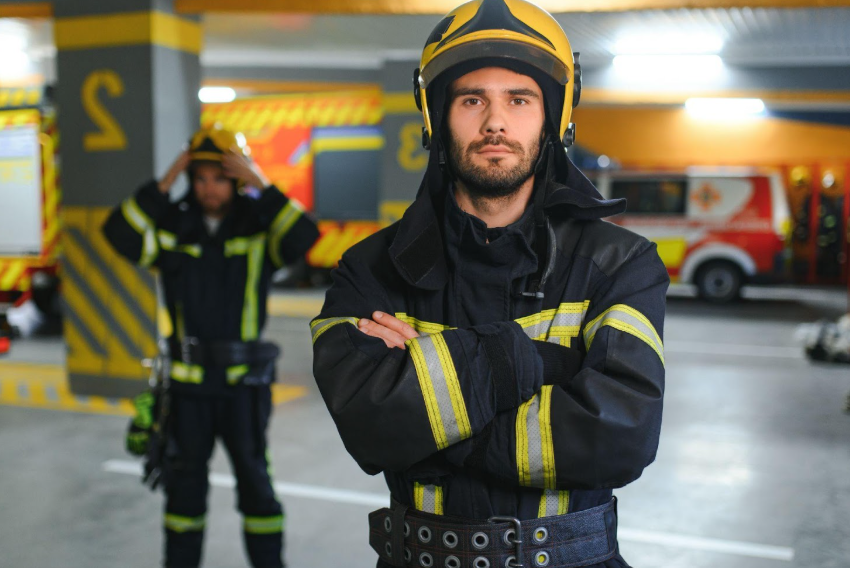
Why Fire Monitoring Is Crucial on Construction Sites
Construction sites are like ticking time bombs when it comes to fire risk. The mix of flammable materials such as wood, insulation, gas cylinders, and chemicals creates a combustible environment. Add to that welding, soldering, and other hot works, and the risk becomes unavoidable. Without continuous fire monitoring, even a small spark can lead to catastrophic damage within minutes.
What makes fire monitoring even more critical is the value at stake, both human life and property. Delays in detecting and responding to fires can result in millions of dollars in damages and, more tragically, loss of life. That’s why proactive, real-time monitoring has become a cornerstone of construction site safety strategy.
Limitations of Traditional Fire Monitoring Methods
Manual patrols, fire alarms, and conventional CCTV systems are the most common fire monitoring tools on job sites. While they do provide some level of protection, their effectiveness is often hindered by human error, limited visibility during nighttime hours, and the inability to detect fire risks before they escalate.
Conventional cameras, for instance, merely record footage. They don’t analyze it. They can’t alert site managers if smoke starts appearing in a corner of the site, or if a fire extinguisher has been tampered with or removed. In most cases, these systems only assist after an incident has already occurred; by then, the damage is often irreversible.
What Is Enhanced Video Analytics?
Enhanced video analytics refers to the use of AI-driven software that processes video footage in real time, detecting anomalies, identifying patterns, and triggering alerts based on predefined risk factors. It doesn’t just record what’s happening, it understands what it sees.
Imagine a smart system that can detect a plume of smoke in its early stages or notice when a worker is engaging in risky behavior like smoking near fuel storage. These systems can also recognize heat signatures, detect motion in restricted areas, and even analyze environmental factors that increase the likelihood of fire.
This level of insight turns a basic camera system into an intelligent fire prevention tool.
Key Features of Enhanced Video Analytics for Fire Monitoring
Enhanced video analytics systems come equipped with a wide array of features specifically designed to improve fire monitoring:
- Smoke and Flame Detection:AI algorithms can detect the earliest signs of smoke or flame, often before they are visible to the human eye.
- Thermal Imaging Integration: These systems can interpret heat patterns and identify hotspots that indicate a high risk of ignition.
- Real-Time Alerts: When a fire risk is detected, alerts are instantly sent to on-site supervisors or remote monitoring centers.
- Behavioral Recognition: Detects unsafe practices such as unauthorized use of fire-related equipment or workers smoking in restricted zones.
- Integration with Existing Systems: These tools can be incorporated into current surveillance infrastructure for seamless upgrades.
Benefits of Using Enhanced Video Analytics on Construction Sites
The benefits of adopting enhanced video analytics for fire monitoring are both immediate and long-term. For one, it greatly reduces the risk of fire-related damage and project delays. Real-time monitoring means quicker response times, allowing teams to address threats before they escalate.
Additionally, insurance premiums may decrease as companies demonstrate proactive risk management. There’s also the benefit of better compliance with OSHA and local fire safety regulations, which helps avoid costly penalties or shutdowns.
Enhanced video analytics also supports 24/7 monitoring, including during off-hours when construction sites are particularly vulnerable to arson or accidental fires. Unlike human guards, these systems don’t sleep, get distracted, or miss a detail.
How Video Analytics Improves Emergency Response Times
Time is everything when a fire breaks out. The faster a response can be mobilized, the lower the damage and risk to human life. Enhanced video analytics significantly shortens the window between fire detection and emergency action.
Once a system detects smoke, flame, or abnormal heat, it sends out automated alerts to the site team or a remote monitoring center. This alert can be integrated with other emergency systems to activate sprinklers, shut down machinery, or call local fire services.
This kind of automation eliminates delays caused by human decision-making or missed alarms, ensuring that help is on the way within seconds, not minutes.
Cost-Effectiveness of AI-Driven Fire Monitoring
While advanced systems may seem expensive upfront, they often end up saving more money than traditional solutions. Fires can lead to massive financial losses from destroyed materials, equipment, and project delays. Insurance claims may not cover everything, and the legal liabilities can be severe.
Investing in enhanced video analytics minimizes these risks and reduces the likelihood of a major financial setback. Moreover, fewer false alarms mean reduced operational interruptions and less wasted time.
The return on investment becomes clear when considering the long-term security and peace of mind these systems provide.
The Role of Remote Video Monitoring Services
Some companies opt for third-party monitoring services to manage video analytics. These providers specialize in round-the-clock surveillance, using the latest tech to monitor sites from secure command centers. One such trusted name in this space is The Fast Fire Watch Company, which offers highly trained fire watch guards along with advanced video surveillance solutions tailored for high-risk construction zones.
By combining human expertise with AI-powered analytics, The Fast Fire Watch Company ensures rapid response and comprehensive coverage. This hybrid model enhances security while reducing reliance on physical patrols alone.
Integration with Other Construction Site Safety Systems
One of the greatest strengths of enhanced video analytics is its compatibility with other safety systems. These solutions can be linked to access control systems, environmental sensors, emergency lighting, and public address systems. The result is a unified safety infrastructure that not only detects threats but also reacts to them immediately.
For instance, if heat sensors detect an abnormal temperature rise, the system can lock down certain zones, activate sprinklers, and alert emergency responders, all without manual intervention.
This level of integration transforms reactive fire monitoring into a fully automated safety ecosystem.
Challenges in Implementation
Despite all the benefits, some construction managers are hesitant to adopt enhanced video analytics due to perceived complexity or cost. There’s also a learning curve involved in managing and interpreting the data these systems provide.
However, most modern solutions are designed with user-friendly dashboards and remote access features. Training and onboarding processes are getting easier, and many service providers offer ongoing technical support to ensure optimal usage.
The Future of Construction Site Fire Monitoring
The evolution of AI and machine learning continues to push the boundaries of what’s possible in site safety. Future versions of video analytics tools are expected to be even more predictive, capable of identifying potential hazards before they manifest based on patterns and trends in the data.
Cloud-based analytics and 5G connectivity will make remote monitoring even faster and more reliable. Eventually, fire prevention may become so advanced that actual fires become rare, if not entirely preventable.
Why Every Construction Site Should Invest in Enhanced Video Analytics
Ignoring fire risks is no longer an option, especially when smarter, faster, and more reliable technologies are readily available. Enhanced video analytics isn’t just a fancy upgrade; it’s a necessity for modern-day construction safety. From detecting the earliest signs of danger to accelerating emergency response, this technology adds an invaluable layer of protection to any job site.
Security, compliance, and peace of mind are all critical to completing a project safely and on time. Partnering with a specialized service like The Fast Fire Watch Company ensures that fire safety is never compromised. The blend of technology and professional oversight offers a solution that’s both cutting-edge and dependable.
Conclusion
Enhanced video analytics are not just changing the game; they’re rewriting the rulebook for construction site fire monitoring. By blending artificial intelligence with real-time surveillance, these systems offer a smarter, safer, and more responsive approach to fire risk management. Construction sites that adopt this technology gain a significant edge in safety, efficiency, and peace of mind. It’s not just about detecting fire, it’s about preventing it altogether.
FAQs
- Can enhanced video analytics replace human fire watch guards?
Not entirely. While AI can detect risks faster, human intervention is still crucial for on-the-ground response. The best systems combine both for comprehensive coverage. - Are these systems complex to install on construction sites?
Most systems are designed for easy integration with existing cameras and infrastructure. Providers often offer setup and training support. - Do video analytics work at night or in poor visibility?
Yes, especially when paired with thermal imaging or infrared technology, which can detect heat signatures even in complete darkness. - How does enhanced video analytics help with insurance?
Many insurance providers offer lower premiums for sites with advanced fire detection and monitoring systems due to the reduced risk profile. - Is enhanced video analytics cost-effective for small construction sites?
Absolutely. While the initial investment may seem high, the long-term savings in damage prevention, downtime, and insurance make it worthwhile for projects of all sizes.