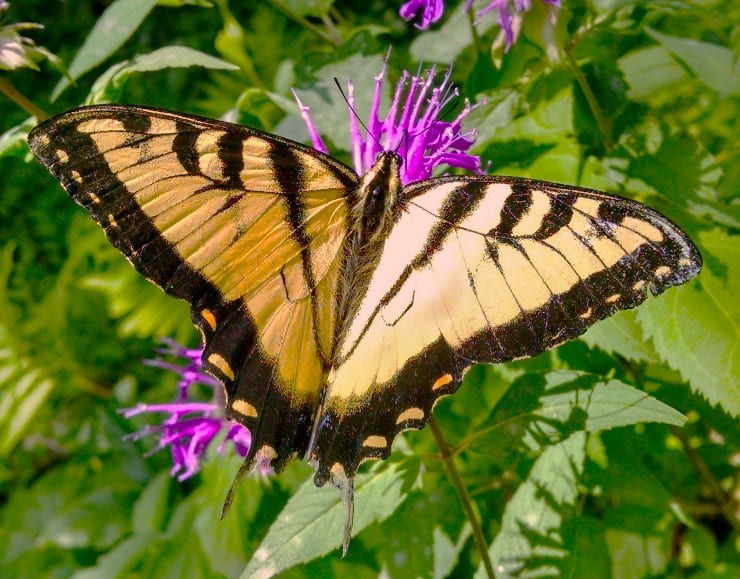
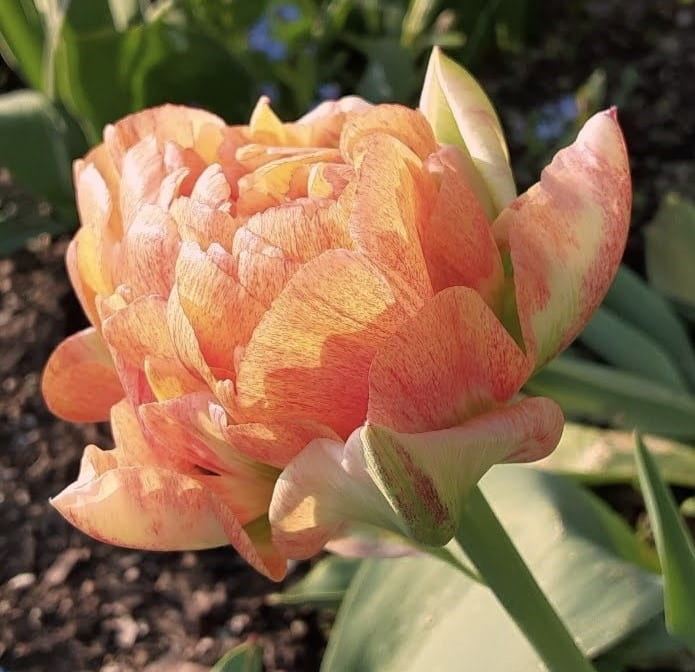
Guess The Pollinator ! Help Green Team identify the wonderful wildlife visiting Pollinator Pathway Garden # 1 !
Here is “Quiz # 1”!
Greetings B.C.C. community,
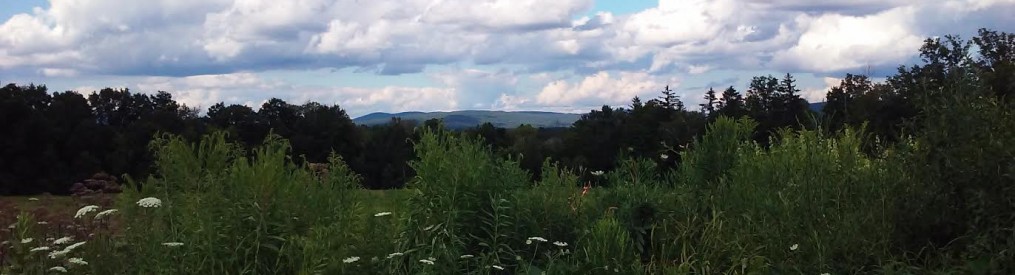
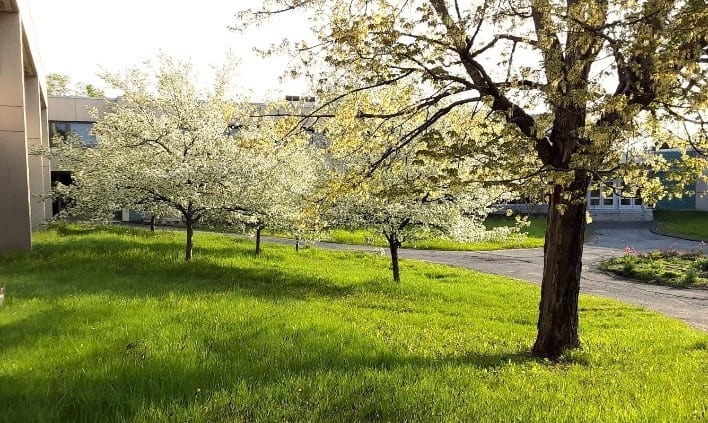
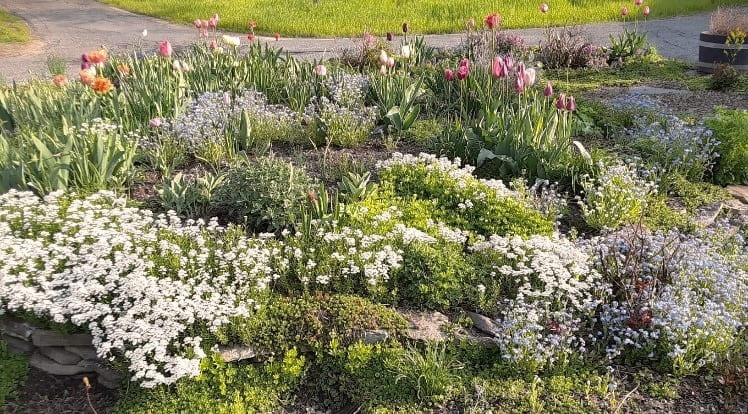
Happy summertime! Here are images of pollinators living in and around the B.C.C.’s main pollinator garden near the SBA Annex loading docks, as well as ones making their home or migratory stop at the Hoffmann Environmental Center. Later on the plan is to include also pollinators found in the forests and waterways along the John Lambert Nature Trail, too.
Can you help Green Team do positive identifications on these great invertebrates? Have you seen any of these creatures in Berkshire County?


Every Fall at the Berkshire Natural History Conference, there is an in-depth quiz open to all participants, and a great deal of the fascinating objects arrayed on two long tables includes everything from a handful of mammal skulls, curious looking shells, to botany herbarium specimens, to old bits of taxidermy — you name it, it could be there. It is a “quiz” of sorts!
While in Green Team’s quiz, there aren’t any autoclaved bones of badgers (!) today, nor mysterious owl pellets, colorful bird feathers, geological specimens, and the like, yet, we do have something endlessly and equally fascinating — pollinators!
So, to figure out “who’s who”, older folks like myself could ….. maybe lean towards picking up a field guide book … whereas most of you younger folks might immediately look to your cell phone. Am I right ? In academia, if we do not know something, we want to find it out, yes ?
Yet on the aforementioned B.N.H.C. “quiz”, people are expected to figure out the answers from -you guessed it- experience and observation ! And just plain guessing is kind of fun! So, maybe people could try first to see if you can tell … is it a butterfly or a moth ? Is it a beetle ? What sort? …
Sometimes you can surprise yourself with what you already know.


The goal of putting our great wildlife residents and migratory visitors up on our blog came about from the frequently asked questions people have for Green Team; a surprising number of which are about animals. So the answer is yes, Green Team is interested in all sorts of animals. We have staff who have helped bring endangered birds back to nest here. Our school has naturalists, photographers, drone operators, blog writers, environmental activists, beekeepers, farmers, and all sorts of talented people!
When the B.C.C. Library eventually re-opens, we have an entire bulletin board where you can see pictures of many mammals. And in case you did not know, the Hoffmann Building and the massive meadow to the northeast of it are considered by Cornell University and “ebird” to be sought-after “birding hotspots”.


After all, B.C.C. has a 180 acre campus to explore!

Green Team hopes you enjoy these images of the diverse array of the pollinators in this new garden. Hopefully the blog can keep bringing you more and more photographs, and thanks go out to the patient people who have been reminding me … sometimes , you have to sit down at a computer … to show folks what Green Team is up to!


In the ” Pollinator Pathway ” garden here there are perennial, biennial and annual flowers and herbs. Green Team (along with a long list of great B.C.C. people who help) has been working on creating this since 2021. One of the first factors leading up to the creation of this newest garden was the effort to bring more pollinator-friendly shrubs to our campus, a five year long project so far. A new effort is be to install ” bee abodes ” for solitary bees to overwinter the next year’s generation right in the main garden area. It is hoped that more such gardens, and even just beneficial shrubs – can be planted out at Berkshire Community College.
Please send in your ideas via your BCC e-mail, BCC Microsoft Teams, or whichever way works best for you.
If you would like to learn more about the ongoing Pollinator Pathway Project (a Green Team endorsed initiative), the variety of other environmentally and sustainability-minded projects here at the campus and beyond, events including community clean ups at local schools, and the college’s “Campus Race to Zero Waste” competition, please visit:


Thank you for your interest and participation in
the B.C.C. Green Team!
Photographs thanks to Roberta Hayes, Logan Sargeant, Logan Osorio / BCC Green Team.